
| Faculty image | Faculty Name | Department | University/college |
|---|---|---|---|
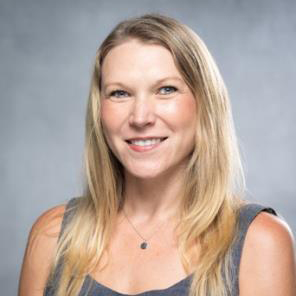 |
Dr. Charla Chailland |
College of Education |
Florida Gulf Coast University |
 |
Prof. Jeanette Dials |
School of Health and Rehabilitation Sciences |
Mariano Marcos State University |
TITLE: Cross-Country COIL Collaboration in Civic and Community-Based Social Studies Education
This Collaborative Online International Learning (COIL) project connected undergraduate
education students at Florida Gulf Coast University with peers at Mariano Marcos State
University to co-create social studies lesson plans focused on civics, community engagement,
and national identity. Using asynchronous digital tools, students engaged in guided
cross-national dialogue to compare educational contexts, civic traditions, and approaches
to social studies standards in the United States and the Philippines. Mixed-institution
groups then collaboratively designed developmentally appropriate lesson plans for
either elementary (K–6) or secondary (9–12) classrooms, emphasizing what active citizenship
means based on each country’s respective Department or Ministry of Education. The
project was embedded within social studies methods coursework and intentionally scaffolded
from relationship-building to collaborative knowledge construction. Through this cross-country
co-creation process, students
developed pedagogical skills and professional collaboration skills while gaining insight
into how local and national contexts shape curriculum and civic education.
Resulting Scholarship:
Chailland, C. (2026, March). Cross-country COIL
collaboration in civic and community-based social studies education. Invited presentation
at Mariano Marcos State University, Philippines.
Anticipated: Chailland, C.
(in preparation). Cross-country COIL collaboration in civic and community-based social studies education.
Student Learning Outcomes:
Students will be able to compare how civics, community engagement, and national identity are taught and understood across different national and local contexts. Students will be able to collaborate effectively with international peers to co-create developmentally appropriate social studies lesson plans for elementary (K–6) or secondary (9–12) classrooms. Students will be able to apply globally informed pedagogical strategies when designing instruction aligned with their respective Departments or Ministries of Education. Students will be able to communicate professionally using digital collaboration tools in asynchronous learning environments. Students will be able to reflect critically on how local history historical and civic traditions shape curriculum, instructional decisions, and conceptions of citizenship within each country’s social studies standards and benchmarks, and compare similarities and differences to support their development as future educators.
Participating Countries: United States and the Philippines
Number of FGCU and Partner Institution Student Participants:
FGCU – 45
MMSU – 32
Discipline: Education – Social Studies
FGCU Course Code & Name: SSE 4343: Social Sciences and Humanities
Project Duration: 6 weeks + prep weeks


